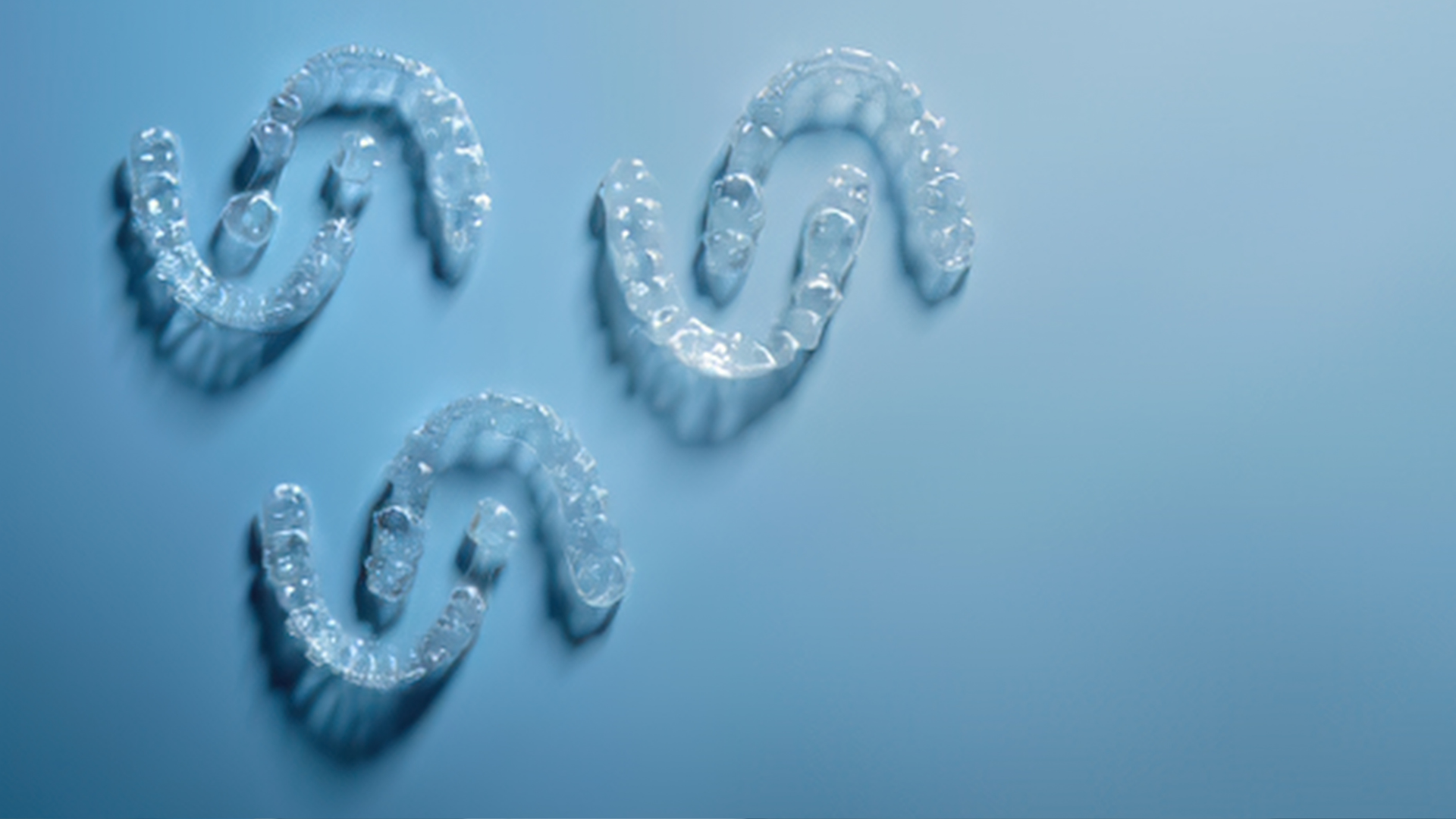
How Invisalign Differs from Traditional Braces
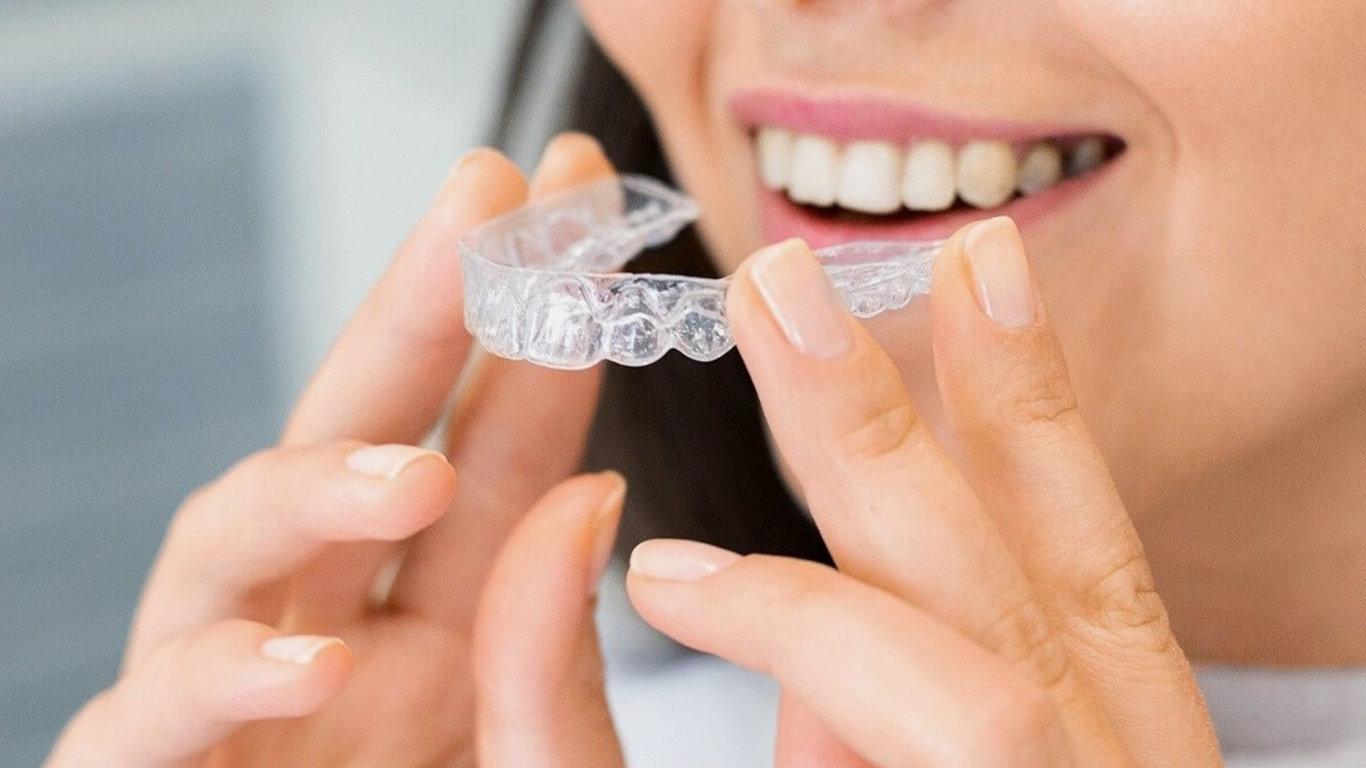
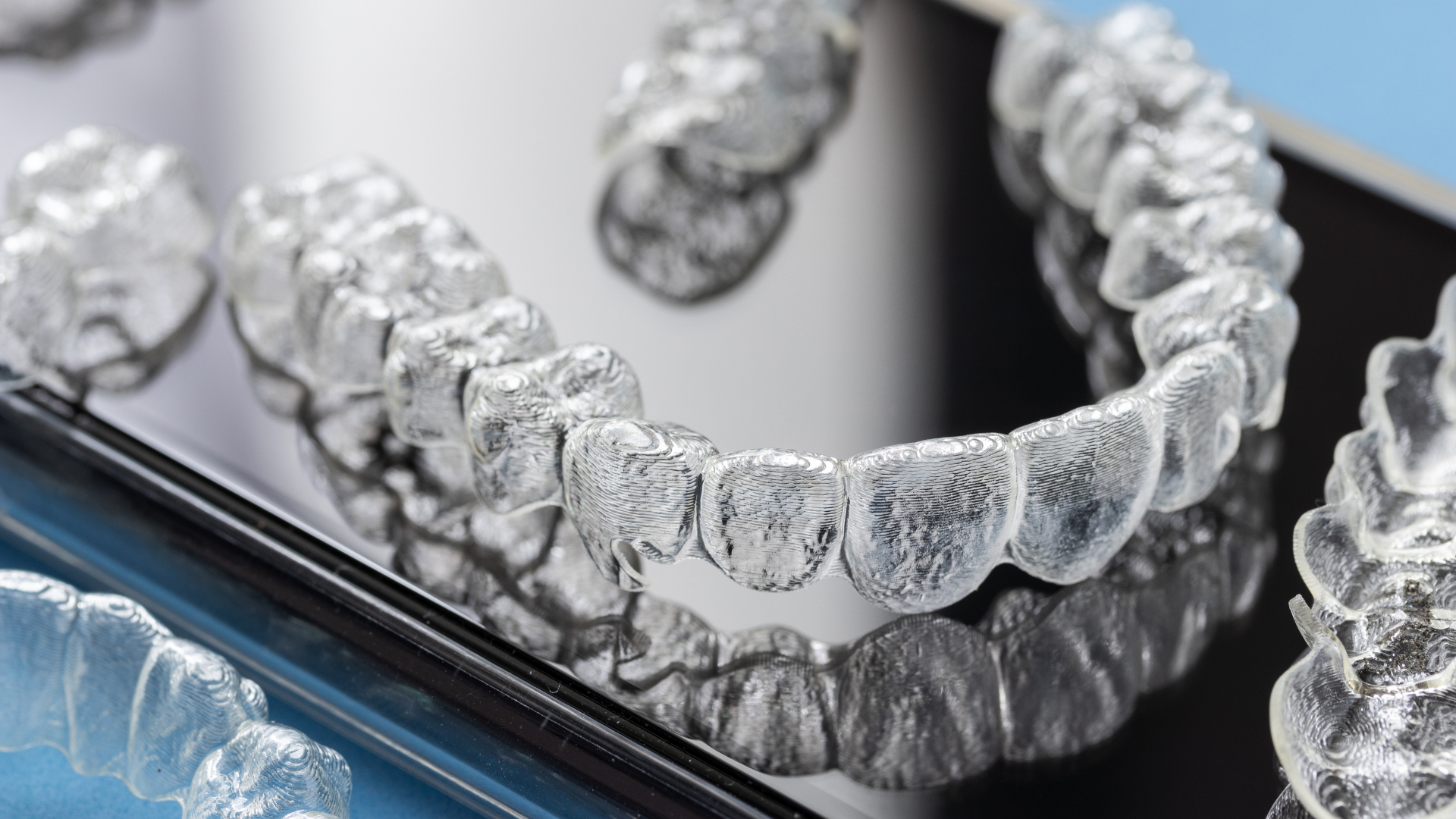
Invisalign aligners are a modern alternative to traditional metal braces. Here are some key differences:
- Appearance: Invisalign aligners are clear and nearly invisible, making them more discreet.
- Comfort: They are made from smooth plastic, which is generally more comfortable than metal brackets and wires.
- Removability: Patients can remove them for eating, brushing, and flossing, unlike braces that are fixed in place.
Materials Used in Invisalign Aligners
Invisalign aligners are crafted from a particular type of plastic called SmartTrack. This material is designed to be:
- Flexible: It allows for gentle movement of teeth.
- Durable: The aligners can withstand daily wear and tear.
- Safe: The materials used are free from harmful chemicals, making them safe for oral use.
The Role of Customization in Treatment
One of the most significant advantages of Invisalign is how personalized the treatment is. Each set of aligners is:
- Tailored: Explicitly created for each patient’s teeth and treatment goals.
- Precise: Advanced technology ensures that the aligners fit perfectly.
- Progressive: Patients receive a series of aligners that gradually shift their teeth into the desired position.
Invisalign is about straightening teeth with a comfortable and practical patient experience.
How Invisalign Applies Pressure to Teeth
Understanding the Mechanism of Tooth Movement
Invisalign works by applying gentle pressure to the teeth. This pressure helps to move them into the desired position over time. Each set of aligners is designed to shift your teeth gradually.
The Importance of Consistent Pressure
For the best results, aligners must be worn consistently. Here are some key points about pressure:
- Continuous wear: Aligners should be worn for 20 to 22 hours daily.
- Regular changes: You’ll switch to a new set of aligners every one to two weeks.
- Gradual adjustments: Each aligner makes small changes, leading to significant long-term results.
How Aligners Are Designed for Effectiveness
The design of Invisalign aligners is fundamental. They are made to fit snugly over teeth, ensuring the pressure is applied correctly. Some features include:
- Custom fit: Each aligner is made just for the individual using 3D imaging technology.
- SmartTrack material: This special material helps the aligners fit better and apply the right pressure.
- Precise movements: The aligners are designed to move specific teeth in specific ways, making treatment most effective.
Invisalign is not just about wearing clear trays; it’s about using science to create a beautiful smile.
The Treatment Process at Bryant Street Dental
Initial Consultation and Assessment
You'll have an initial consultation when you first visit Bryant Street Dental. This is where the dentist will:
- Discuss your dental history and concerns.
- Take X-rays and photographs of your teeth.
- Evaluate your smile and determine if Invisalign is right for you.
Creating a Personalized Treatment Plan
After the assessment, a personalized treatment plan will be created just for you. This plan includes:
- Detailed steps on how your teeth will move.
- The estimated time for your treatment.
- Custom aligners designed specifically for your mouth.
Monitoring Progress and Making Adjustments
Throughout your treatment, regular check-ups will be scheduled to monitor your progress. During these visits, the dentist will:
- Check how well your teeth are moving.
- Make any necessary adjustments to your aligners.
- Ensure that you are comfortable and on track with your treatment.
At Bryant Street Dental, a clear plan and regular check-ins are key to achieving the best results with Invisalign.
Benefits of Choosing Invisalign in Palo Alto
Aesthetic Advantages Over Traditional Braces
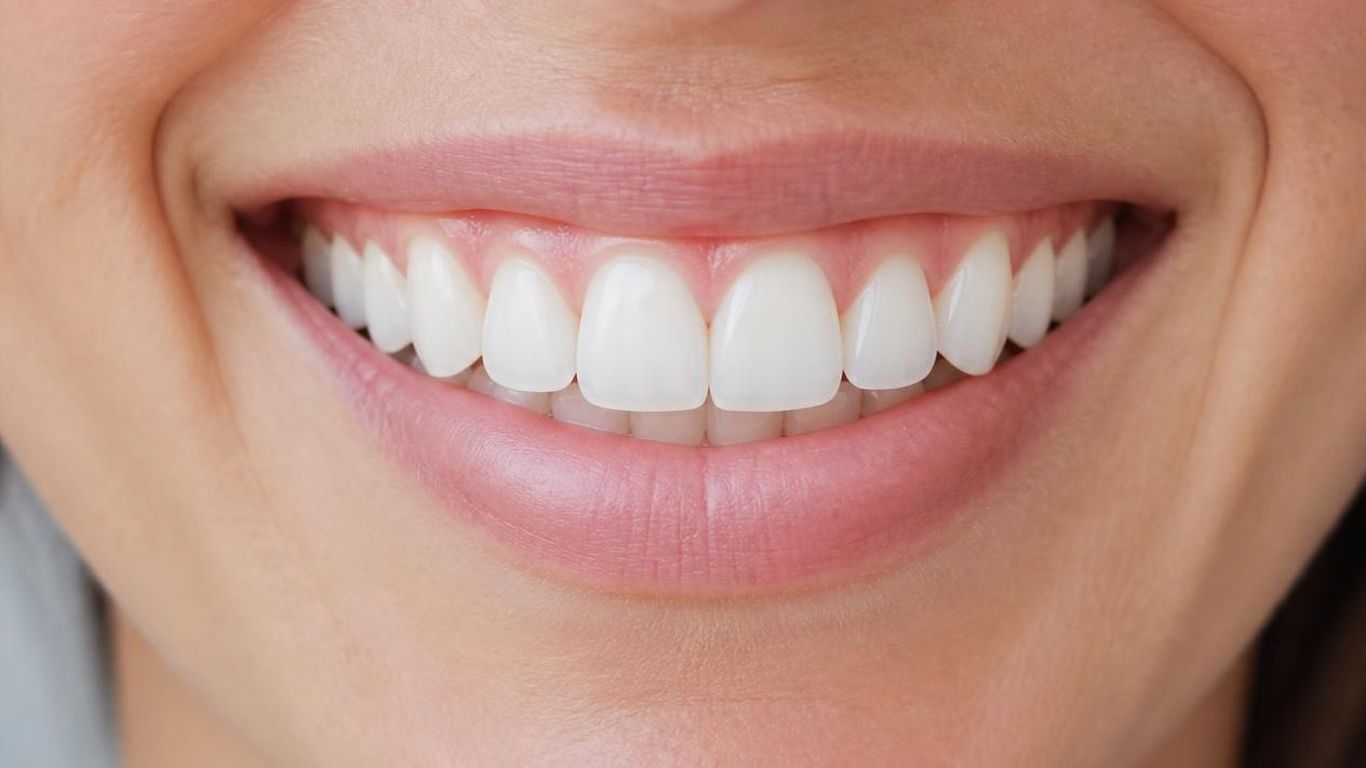
Invisalign offers a clear solution for teeth straightening, making it nearly invisible. This means you can smile confidently without the noticeable metal of traditional braces. Many people prefer this discreet option, especially adults and teens.
Comfort and Convenience
Invisalign aligners are made from smooth plastic, making them more comfortable than metal braces. Here are some key points about their convenience:
- Easy to remove for eating and brushing your teeth.
- No food restrictions; you can enjoy all your favorite meals.
- Fewer visits to the dentist compared to traditional braces.
Improved Oral Hygiene During Treatment
With Invisalign, keeping your teeth clean is simpler. You can:
- Remove the aligners to brush and floss your teeth easily.
- Maintain better oral hygiene, reducing the risk of cavities and gum disease.
- Avoid the challenges of cleaning around brackets and wires.
Choosing Invisalign in Palo Alto helps achieve a beautiful smile and makes the journey more comfortable and hygienic. Consult a Palo Alto dentist to see if this option suits you!
Common Misconceptions About Invisalign
Effectiveness Compared to Braces
Many people wonder if Invisalign is as effective as traditional braces. Invisalign can treat a variety of dental issues, but it may not be suitable for everyone. Here are some common points to consider:
- Invisalign works well for mild to moderate alignment issues.
- Severe cases may still require traditional braces.
- Consulting with a dentist can help determine the best option for you.
Suitability for Complex Cases
Some believe that Invisalign is only for simple cases. However, this is not entirely true. Here are some facts:
- Invisalign can handle complex cases, but it depends on the individual situation.
- Advanced technology allows for better treatment planning.
- A skilled orthodontist can assess your needs accurately.
Cost and Insurance Coverage
Many people think that Invisalign is too expensive. While it can be pricier than traditional braces, there are important points to note:
- Costs can vary based on the complexity of the treatment.
- Some insurance plans cover Invisalign just like braces.
- Payment plans may be available to help manage costs.
Understanding these misconceptions can help you make a more informed decision about your orthodontic treatment. It's always best to discuss your options with a professional.
The Role of Technology in Invisalign Treatment
3D Imaging and Treatment Planning
Invisalign uses advanced 3D imaging technology to create a detailed map of your teeth. This helps plan the exact movements needed for each tooth and allows precise adjustments throughout the treatment.
Digital Scanning for Precision
Instead of traditional molds, Invisalign uses digital scans to capture the shape of your teeth. This method is quicker and more comfortable. Here are some benefits of digital scanning:
- Accuracy: Provides a perfect fit for the aligners.
- Comfort: No messy impressions needed.
- Speed: Faster results mean quicker treatment planning.
Advancements in Aligner Materials
The materials used in Invisalign aligners have improved over the years. These advancements make the aligners:
- Stronger: They can withstand more pressure without breaking.
- Thinner: This makes them less noticeable when worn.
- More Flexible: They fit better and are more comfortable.
Technology plays a crucial role in making Invisalign treatment effective and comfortable. Patients can expect a smoother journey to a straighter smile with these innovations.
Patient Experiences and Success Stories
Testimonials from Palo Alto Patients
Many patients in Palo Alto have shared their positive experiences with Invisalign. Here are some common themes from their stories:
- Improved Confidence: Many patients felt more confident smiling during and after treatment.
- Comfortable Fit: Users often mention how comfortable the aligners are compared to traditional braces.
- Easy to Maintain Oral Hygiene: Patients appreciate that they can easily brush and floss their teeth without obstacles.
Before and After Transformations
The transformations seen in patients who have completed their Invisalign treatment are remarkable. Here are a few highlights:
- Straighter teeth that enhance smiles.
- Improved bite alignment, leading to better chewing.
- Increased self-esteem and happiness with their appearance.
Tips for Maximizing Treatment Success
To get the best results from Invisalign, patients recommend the following tips:
- Wear Aligners as Directed: Consistency is key, and wearing aligners for the recommended 20-22 hours a day is crucial.
- Keep Track of Progress: Regularly check your teeth to see how they move and stay motivated.
- Communicate with Your Dentist: If you have any concerns or questions, don’t hesitate to contact your dental provider.
Many patients find that their journey with Invisalign transforms their smiles and boosts their confidence and happiness.
Maintaining Results After Invisalign Treatment
The Importance of Retainers
After completing your Invisalign treatment, wearing retainers is crucial to keep your teeth in their new positions. Retainers help prevent your teeth from shifting back to their original spots. Here are some key points to remember:
- Wear your retainer as directed by your dentist.
- Keep your retainer clean to avoid bacteria buildup.
- Regularly check for any signs of wear and tear.
Long-Term Oral Care Tips
To maintain your beautiful smile, follow these simple oral care tips:
- Brush your teeth at least twice a day.
- Floss daily to remove food particles and plaque.
- Visit your dentist for regular check-ups and cleanings.
Keeping up with your oral hygiene is essential for a lasting smile. A little effort goes a long way in maintaining your results!
Scheduling Regular Dental Check-Ups
Regular visits to your dentist are important even after your treatment is complete. These check-ups help ensure:
- Your teeth remain healthy and aligned.
- Any potential issues are caught early.
- You receive professional advice on maintaining your smile.
Potential Challenges and How to Overcome Them
Dealing with Discomfort
While Invisalign is generally more comfortable than traditional braces, some patients may still experience mild discomfort. This can happen when you switch to a new set of aligners. Here are some tips to manage discomfort:
- Use over-the-counter pain relievers as needed.
- Apply a cold compress to your cheeks to reduce swelling.
- Stick to soft foods for a few days after changing aligners.
Ensuring Consistent Wear
For Invisalign to work effectively, you must wear your aligners for at least 20 to 22 hours daily. Here are some strategies to help you stay on track:
- Set reminders on your phone to put your aligners back in after meals.
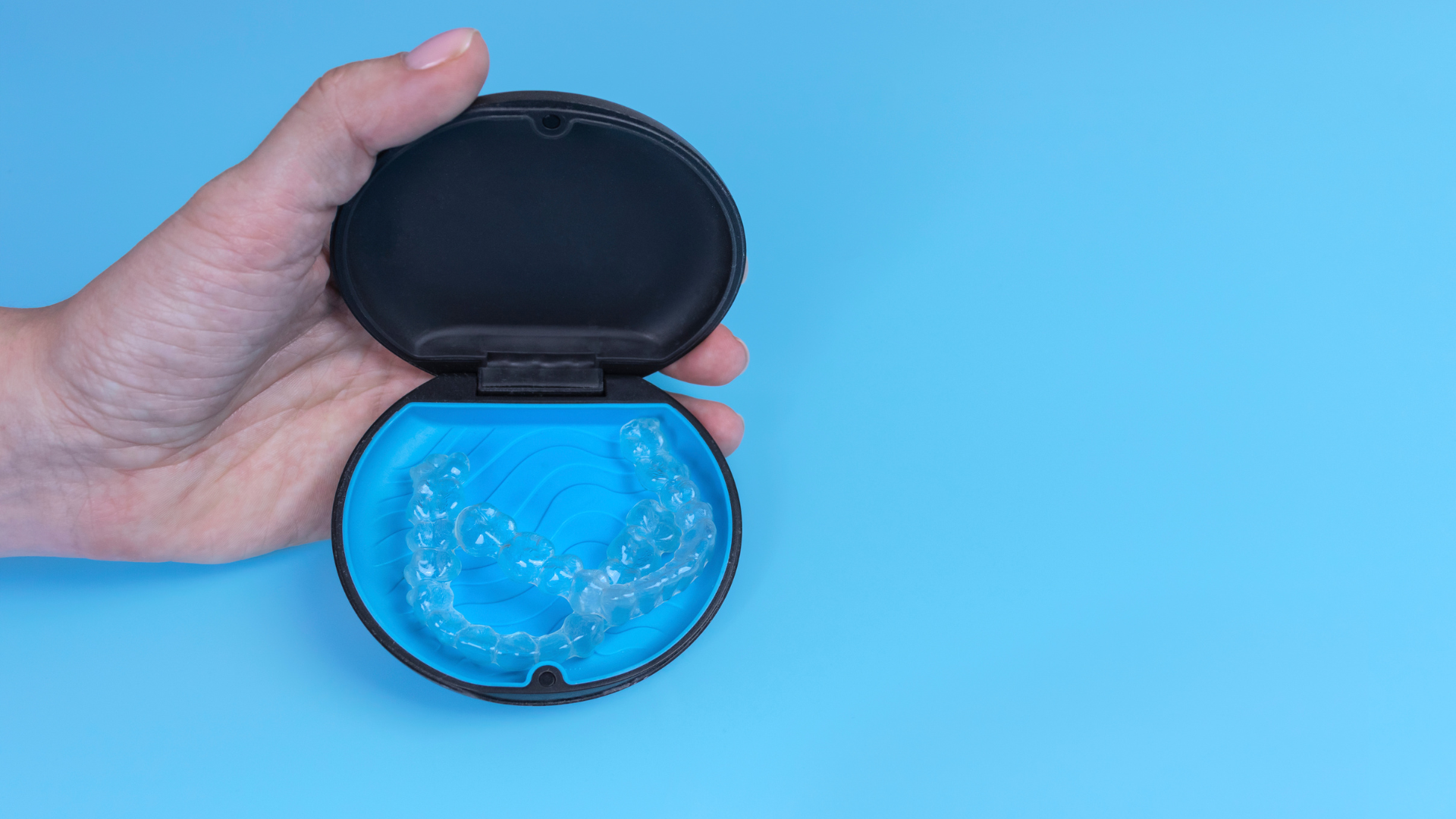
- Keep a case handy to store your aligners when you take them out.
- Track your wear time with a journal or an app.
Handling Lost or Damaged Aligners
Losing or damaging an aligner can be stressful, but staying calm is important. Here’s what you can do:
- If you lose an aligner, contact your orthodontist immediately for guidance.
- If an aligner is damaged, wear the previous one until you get a replacement.
- Always have a backup plan, like keeping an extra set of aligners if possible.
Staying proactive about these challenges can make your Invisalign journey smoother. Remember, communication with your orthodontist is key to overcoming any issues.
Comparing Invisalign to Other Clear Aligners
When it comes to straightening teeth, many consider various options, including Invisalign and other clear aligners. Here’s how they stack up against each other:
Differences in Treatment Approach
- Invisalign uses a series of custom-made aligners that gradually shift teeth into place.
- Other clear aligners may not offer the same level of customization, often using a one-size-fits-all approach.
- Some brands may require more frequent changes of aligners than Invisalign.
Cost and Time Comparison
- Invisalign typically ranges from $3,000 to $8,000, depending on the case's complexity.
- Other clear aligners can be cheaper but might not provide the same results.
- Treatment time with Invisalign usually lasts between 12 to 18 months, while other brands may take longer or shorter, depending on the individual.
Patient Satisfaction Rates
- Many patients report high satisfaction with Invisalign due to its comfort and effectiveness.
- Other aligners may have mixed reviews, with some users experiencing discomfort or less effective results.
- Overall, Invisalign is often preferred for its proven track record and positive patient feedback.
Choosing the right aligner is important for your dental health. Consult with a professional to find the best option for you.
Understanding the Cost of Invisalign in Palo Alto
Factors Influencing the Price
When considering Invisalign treatment, several factors can affect the overall cost:
- Complexity of the Case: More complicated dental issues may require more aligners and longer treatment times.
- Length of Treatment: The duration of your treatment can impact the total cost, as longer treatments typically involve more aligners.
- Location: Prices can vary based on where you live, with urban areas often costing more.
Insurance and Payment Options
Many dental insurance plans cover a portion of Invisalign treatment. Here are some standard payment options:
https://www.bryantstdental.com/invisalign-financing
- Insurance Coverage: Check if your plan includes orthodontic treatment.
- Flexible Payment Plans: Some dental offices offer payment plans to help spread out the cost.
Is Invisalign Worth the Investment?
Invisalign can be a valuable investment in your smile and confidence. While the upfront cost may seem high, the benefits of a straighter smile and improved oral health can make it worthwhile.
Investing in your smile is investing in your future. A confident smile can open doors and create opportunities.
Conclusion
Invisalign is a game-changer for people wanting to straighten their teeth without the look of metal braces. At Bryant Street Dental, we focus on providing Invisalign treatments in Palo Alto, helping you get the smile you've always wanted. So, how does it work? The secret lies in the special aligners that gently push your teeth into the right spots over time. If you're looking for a reliable dentist in Palo Alto who knows all about Invisalign, Bryant Street Dental is ready to help you every step of the way.
Blog | Bryant St Dental