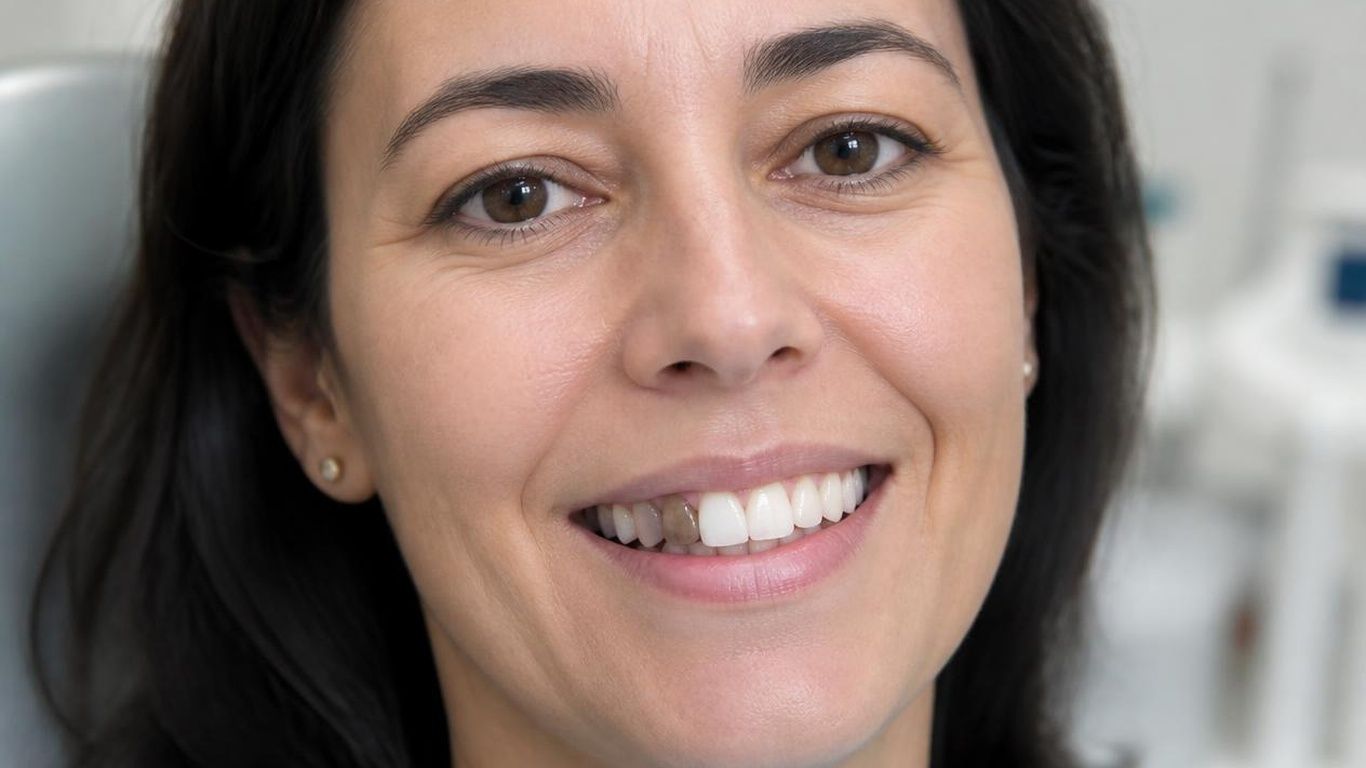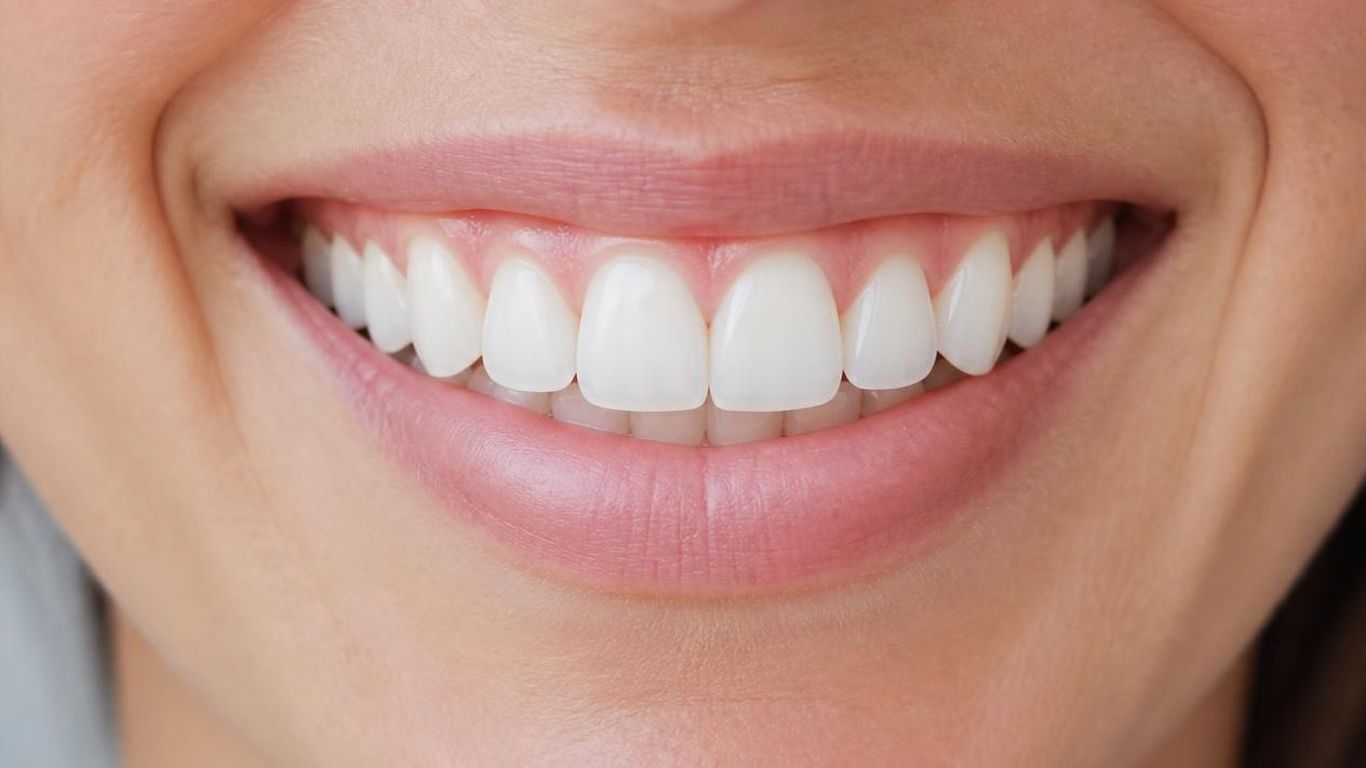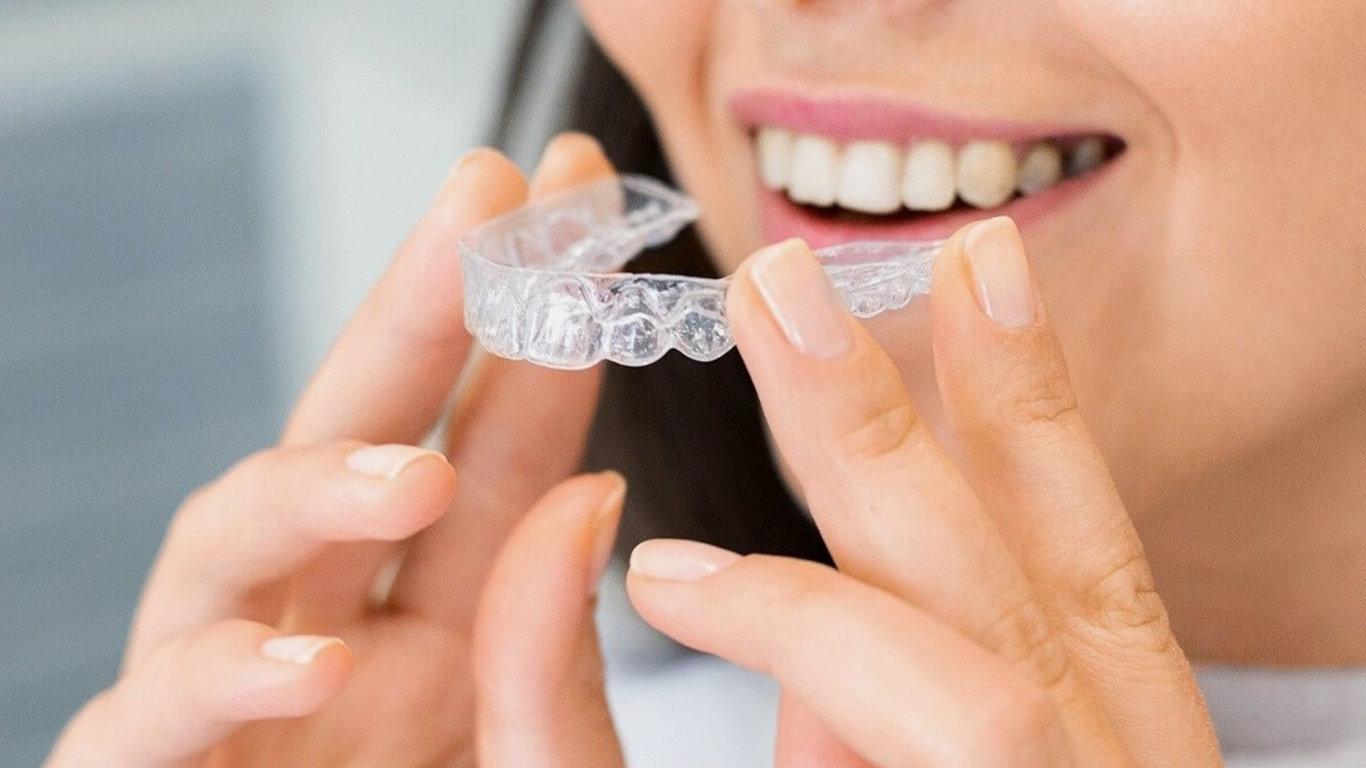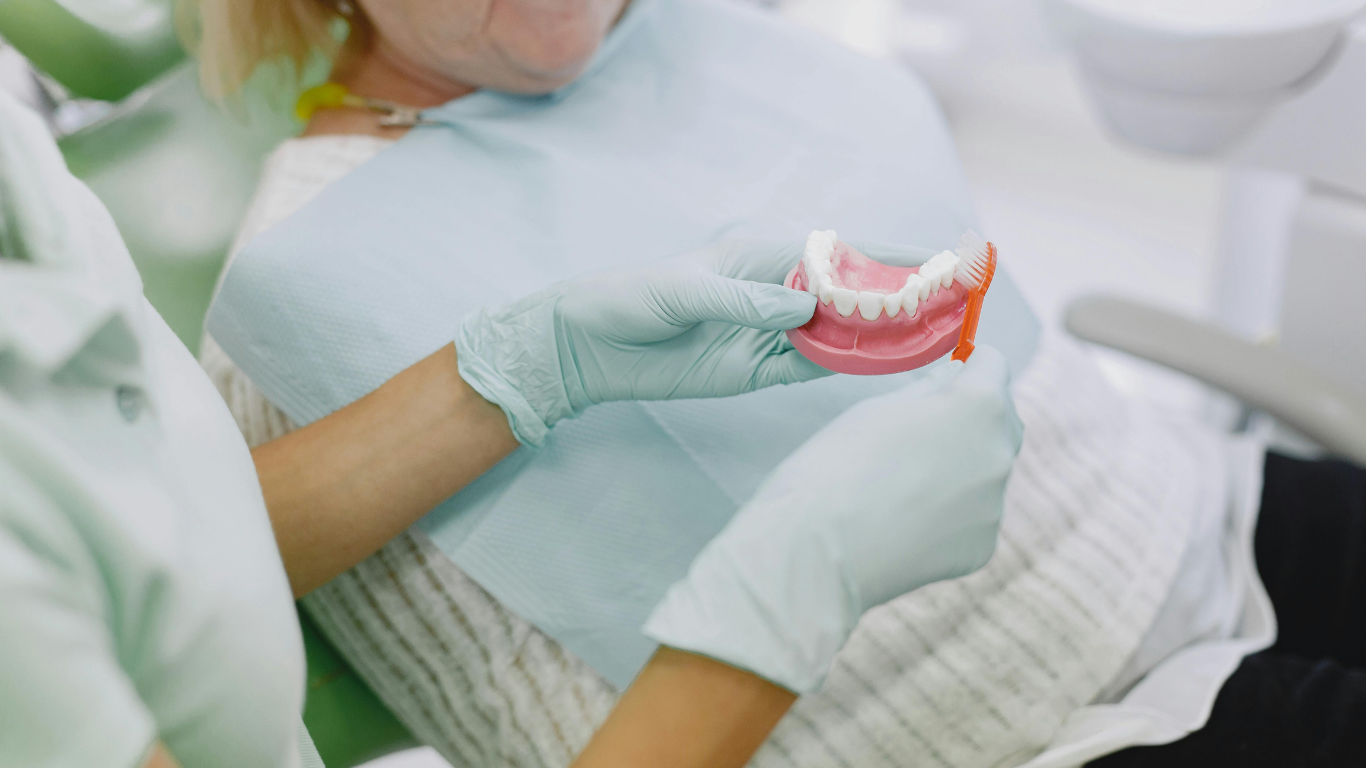
If you’re missing one or more teeth, you already understand how much it can impact your daily life—whether it’s smiling confidently, eating comfortably, or speaking clearly. Thankfully, modern dentistry offers several reliable options for tooth replacement. One increasingly popular solution is flexible dentures.
At Bryant Street Dental in Palo Alto, CA, we often recommend flexible dentures for patients who want a natural-looking, comfortable, and lightweight alternative to traditional partial dentures. In this post, we’ll explain what flexible dentures are, how they differ from conventional types, and what you can expect before choosing this option.
What Are Flexible Dentures?
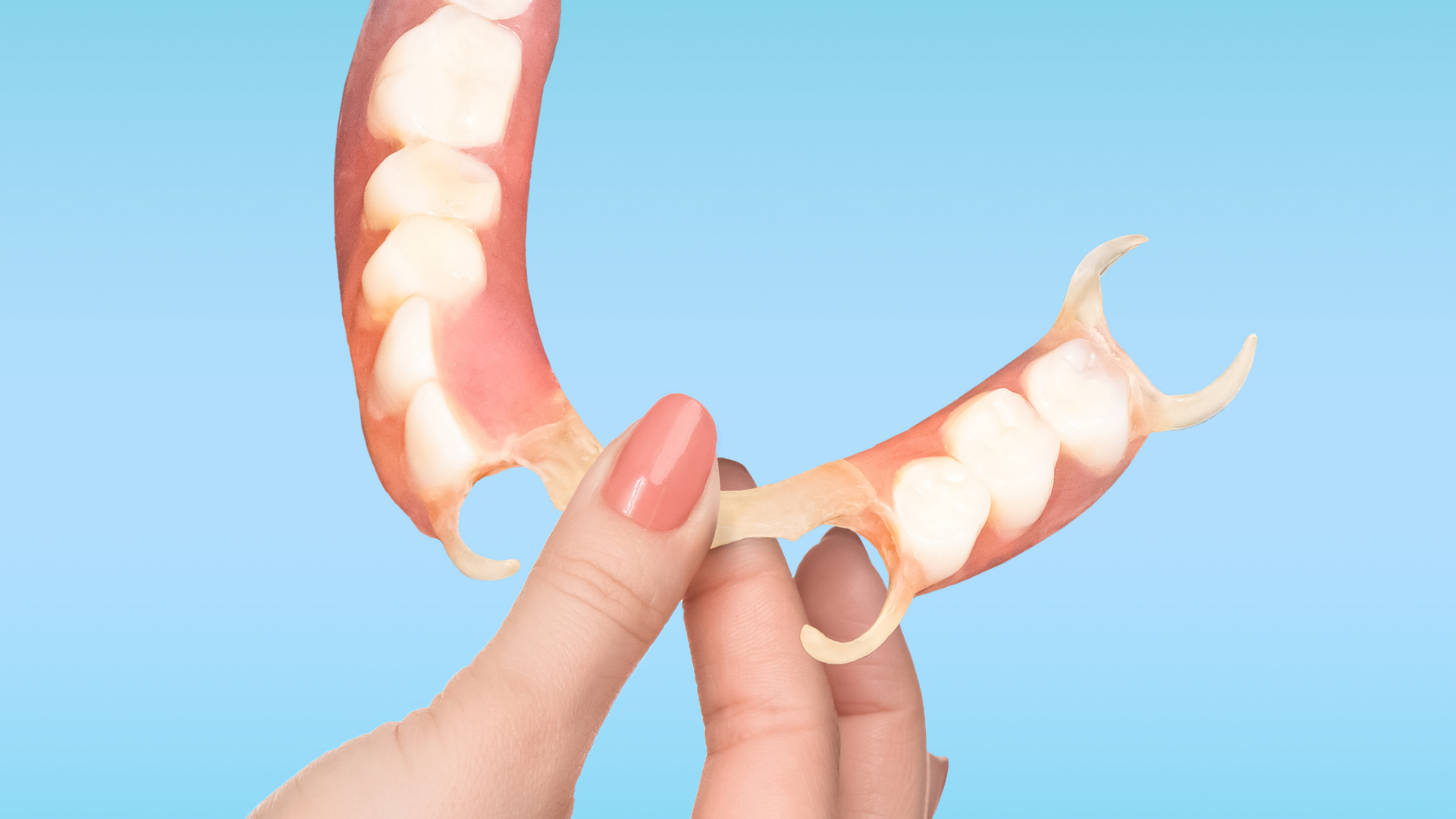
Flexible dentures are removable dental prosthetics made from a special thermoplastic material—usually nylon-based—designed to fit comfortably in your mouth. Unlike traditional dentures that use rigid acrylic or metal frameworks, flexible dentures bend slightly, allowing them to adapt to the natural contours of your gums and mouth.
This flexibility makes them particularly comfortable and less likely to cause the sore spots or irritation that rigid dentures sometimes create.
Most flexible dentures are used as partial dentures—that is, they replace a few missing teeth rather than an entire arch. The lightweight, translucent pink base blends seamlessly with your gum color, helping the denture look more natural and discreet.
How Flexible Dentures Differ from Traditional Dentures
Traditional dentures typically come in two types: full dentures (for patients missing all teeth in an arch) and partial dentures (for those missing a few). While both serve the same purpose—restoring your smile and bite—the materials and structure differ greatly.
| Feature | Flexible Dentures | Traditional Dentures |
|---|---|---|
| Material | Thermoplastic (usually nylon-based) | Acrylic resin or metal framework |
| Comfort | Soft, lightweight, conforms to mouth | Rigid, may cause pressure points |
| Aesthetics | Translucent base mimics gums | Can appear bulkier or more visible |
| Durability | Resistant to cracking | Can break if dropped |
| Repairs/Adjustments | More difficult to adjust or repair | Easier to modify |
| Best For | Partial tooth loss | Full or partial replacements |
At Bryant Street Dental, our team evaluates each patient carefully to decide which denture type is best suited to their oral condition and lifestyle.
The Benefits of Flexible Dentures
Flexible dentures are gaining popularity because they offer a balance of aesthetics, comfort, and function. Here are some of their most notable advantages:
1. Superior Comfort
The flexible resin material adapts closely to the shape of your gums, distributing pressure more evenly. This minimizes irritation, making it easier to eat and talk naturally. Patients often report that they “forget” they’re even wearing them after a short adjustment period.
2. Natural Appearance
Because flexible dentures don’t require visible metal clasps and use gum-colored materials, they blend in beautifully with your existing teeth and gums. The result is a seamless, natural-looking smile.
3. Lightweight and Easy to Wear
Traditional dentures can feel bulky or heavy, especially for first-time users. Flexible dentures are thinner and lighter, improving comfort throughout the day.
4. Non-Metal Design
For patients who are allergic to metals or prefer a metal-free dental appliance, flexible dentures are an excellent choice. The nylon-based material eliminates the need for metal clasps or wires.
5. Durability and Resistance to Breakage
Flexible dentures are less likely to crack or shatter if dropped. Their flexible nature helps them withstand accidental impacts better than rigid alternatives.
Potential Drawbacks of Flexible Dentures
While flexible dentures offer many benefits, it’s also important to consider their limitations.
1. Difficult to Repair
Because the material is non-rigid, it’s harder for dental labs to make adjustments or repairs. In some cases, a damaged flexible denture must be remade entirely.
2. May Harbor More Bacteria
The soft surface can retain more plaque or bacteria if not cleaned properly. It’s essential to follow proper cleaning routines and visit your dentist for professional cleanings regularly.
3. Limited Structural Support
For patients with extensive tooth loss or poor gum health, flexible dentures may not provide enough stability. In such cases, traditional or implant-supported dentures may be recommended instead.
4. Cost Considerations
Flexible dentures can cost slightly more than traditional acrylic ones due to the specialized materials and fabrication process. However, many patients find the comfort and aesthetics worth the investment.
Who Can Benefit from Flexible Dentures?
Flexible dentures are ideal for:
- Patients missing a few teeth (partial tooth loss)
- Those with sensitive gums or allergies to metal
- People seeking a lightweight, comfortable, and natural-looking solution
- Patients who want an easier adaptation period compared to traditional dentures
At Bryant Street Dental, we’ll perform a comprehensive evaluation—including a review of your oral health, gum condition, and bite alignment—to determine whether flexible dentures are your best option.
The Process of Getting Flexible Dentures at Bryant Street Dental
If you’re considering flexible dentures in Palo Alto, CA, here’s what you can expect from your visit to Bryant Street Dental:
1. Consultation and Assessment
Your dentist will examine your mouth, take impressions, and discuss your needs and expectations.
2. Treatment Planning
Based on your oral health, we’ll determine the best materials and design for your flexible denture.
3. Fabrication
A custom denture is fabricated at a specialized dental lab to ensure optimal comfort, fit, and appearance.
4. Fitting and Adjustments
Once your denture is ready, we’ll fit it carefully, ensuring it sits comfortably and functions correctly. Minor adjustments may be made for perfect alignment.
5. Aftercare and Maintenance
We’ll show you how to clean and care for your denture properly to maintain its longevity and hygiene.
Caring for Your Flexible Dentures
Proper maintenance is key to keeping your denture clean, odor-free, and in excellent condition.
- Clean daily using a soft-bristled brush and mild, non-abrasive denture cleaner.
- Avoid hot water as it may warp the flexible material.
- Remove overnight to let your gums rest.
- Store properly in a denture case with clean water or a soaking solution.
- Visit regularly for dental check-ups at Bryant Street Dental to monitor fit and oral health.
Flexible Dentures vs. Dental Implants: Which Should You Choose?
While flexible dentures are a great solution for many, dental implants might be more suitable for others.
| Factor | Flexible Dentures | Dental Implants |
|---|---|---|
| Invasiveness | Non-surgical | Requires surgery |
| Cost | More affordable | Higher initial cost |
| Maintenance | Removable and easy to clean | Permanent but requires regular care |
| Longevity | Several years with proper care | Can last decades |
| Comfort | Very comfortable | Feels closest to natural teeth |
If you’re unsure which option is right for you, Bryant Street Dental can guide you through both options, considering your oral health, budget, and personal preferences.
Why Choose Bryant Street Dental in Palo Alto, CA?
At Bryant Street Dental, we pride ourselves on providing advanced, patient-centered dental care in a comfortable environment. When it comes to restorative solutions like flexible dentures, our experienced team focuses on:
- Personalized treatment plans tailored to your oral health needs
- High-quality materials for durable, natural results
- State-of-the-art technology for precise impressions and fabrication
- Ongoing care to ensure your denture continues to fit comfortably and function effectively
Our goal is not just to replace missing teeth—but to help you regain confidence in your smile and quality of life.
Schedule Your Consultation Today
If you’re exploring flexible dentures in Palo Alto, CA, schedule a consultation with Bryant Street Dental today. Our friendly and knowledgeable team will walk you through every step, helping you choose the best restorative option for your needs.
Restore your smile. Regain your confidence. Experience comfortable, natural-looking results with flexible dentures from Bryant Street Dental.
Disclaimer: The information provided in this article is for educational purposes only and should not be considered dental or medical advice. Individual cases vary, and treatment recommendations should only be made after a comprehensive dental examination. Please schedule a consultation with Bryant Street Dental in Palo Alto, CA, to discuss your specific oral health needs and determine the best restorative solution for you.
Blog | Bryant St Dental